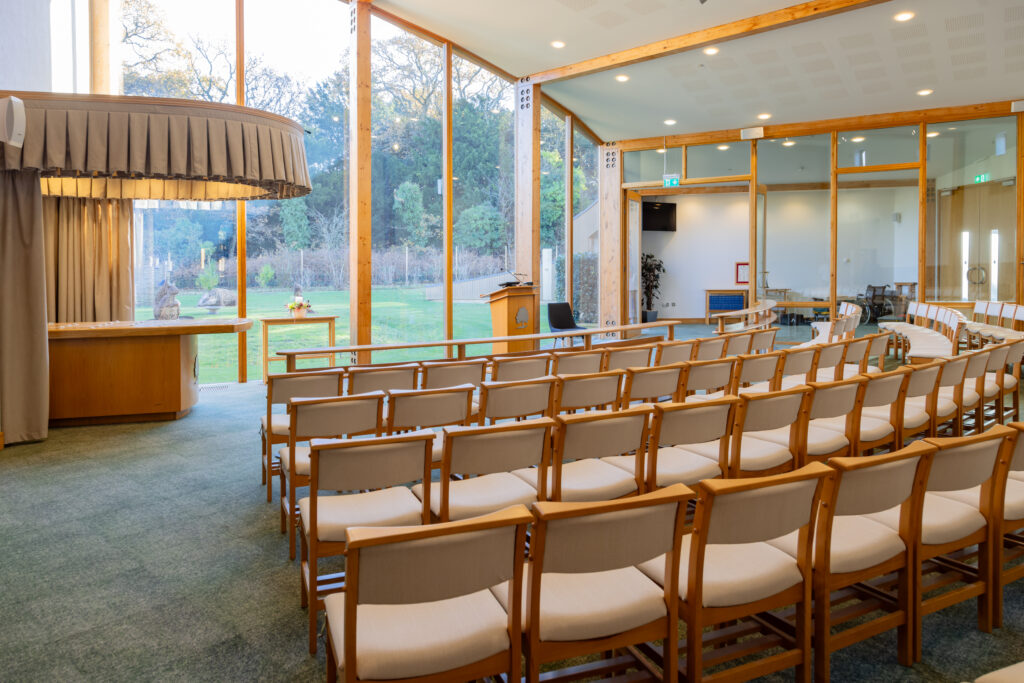
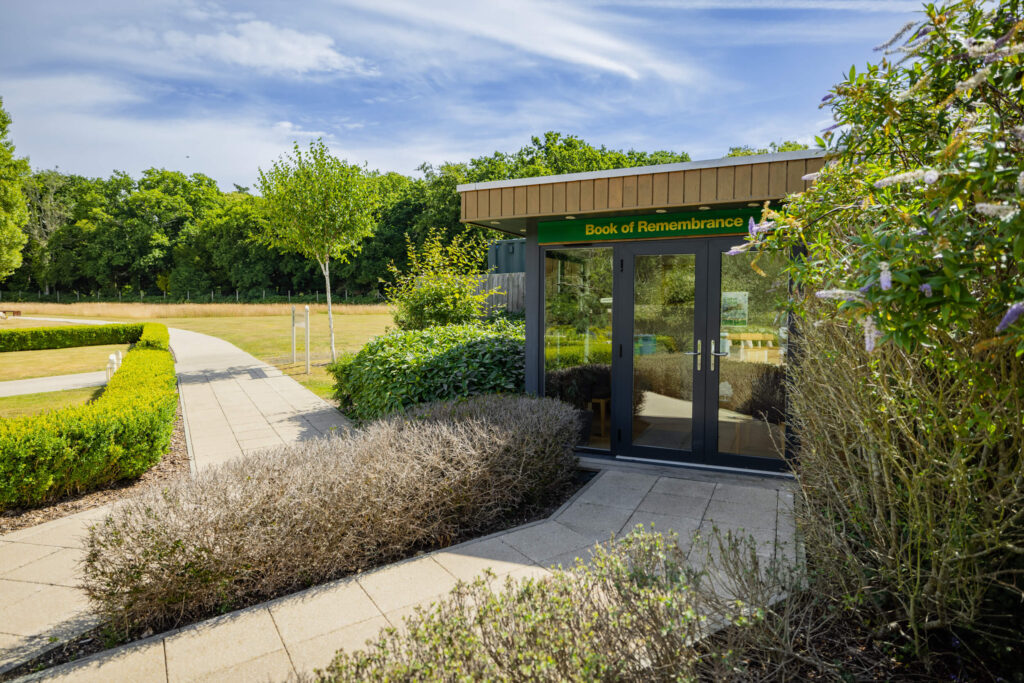
Set in 14 acres, The Oaks Havant Crematorium is surrounded by beautiful ancient semi-natural woodland and wildflower meadow, providing a picturesque setting for the crematorium building which has been sensitively designed. As well as creating a space that is relevant for all cultures, ages and beliefs, it provides a tranquil sanctuary for the bereaved, inspired by its natural setting.
The low level oak cladding and flint walls, combined with a green ‘living’ sedum roof give the building the appearance of rising from its wildflower meadow setting. As well as encompassing the Service hall beneath, the roof provides additional green habitat for wildlife.
The Oaks Havant Crematorium is managed by a trusted team, with decades of experience delivering professional and caring services at crematoria across the UK.
Arranging a funeral
Arranging a funeral can be a difficult process emotionally, we have put together a few key details below to help guide you through the process.
Although not a requirement, we do recommend using a local Funeral Director to help with the administration and to arrange a funeral service at The Oaks Havant Crematorium. The Funeral Director will arrange all your wishes with us, and we will ensure your ceremony is seamless.
Memorialisation
The final resting place of cremated remains is an extremely important decision and careful consideration should be given to all options available.
To help with this process The Oaks Crematorium can hold the cremated remains for up to three months free of charge, allowing you time to think about how you wish to remember your loved one.
Wildlife and Sustainability
Set in 8.5 acres of land and featuring a mix of native broadleaved trees, formal lawns and shrub borders with large expanses of wild flower and grass meadows surrounded by ancient semi natural woodland. Seating areas allow time for rest and reflection.
Our team of dedicated groundsmen ensure that a wide variety of trees, plants and wildlife thrive throughout the year.
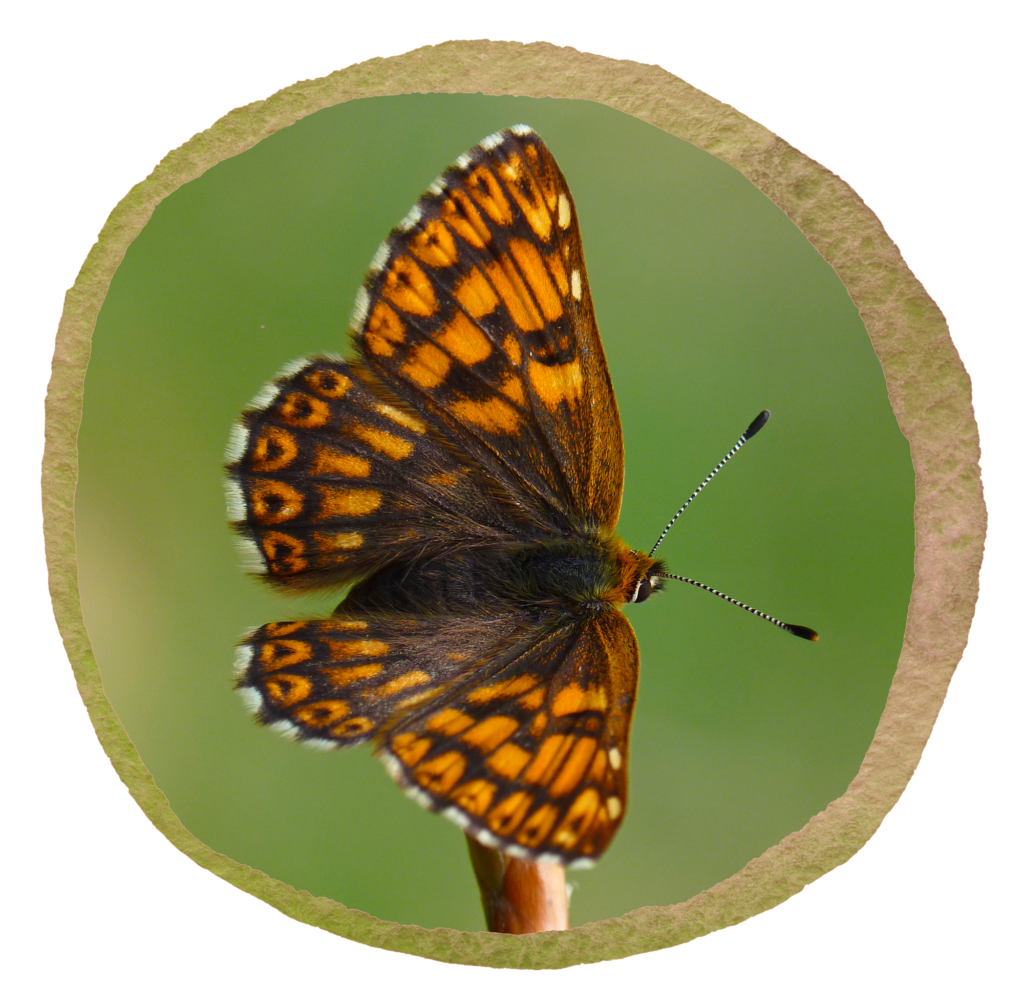
Some areas of our grounds may appear unkempt at certain times of the year. For example, the grass may be left long and the vegetation uncut. This is to protect nesting birds and create natural habitats that are more favourable for wildlife, such as butterflies and bees.